
For over 30 years, a tiny federal program called SNAP-Ed quietly made America healthier. Educators led cooking, fitness, and gardening classes, advised families on tight budgets about shopping and meal prep, and showed parents how to decode nutrition labels. The program helped more than 1.8 million participants in 2022 alone, and millions more over the years, to stretch what they had and eat better. In Conway County, Arkansas, SNAP-Ed created a junior high school garden that produced fresh fruits and veggies. Across Southwestern Colorado, Indigenous youth and elders participated in traditional foods workshops. And in New Orleans, seniors learned to cook “Soul Food with a Twist”—healthier takes on their favorite recipes.
Founded to increase the likelihood that those on SNAP (formerly food stamps but still run by the U.S. Department of Agriculture) make healthy choices with limited funds, SNAP-Ed has cost the USDA less than $10 billion over its lifetime. Last year, it was allocated around $515 million, versus the over $14 billion the food industry spends annually on advertising (more than 80 percent of which promotes fast food, sugary drinks, candy, and unhealthy snacks).
And it worked. A 2024 report of SNAP-Ed impacts across 23 states found that the individuals it engaged across all age groups increased their fruit, vegetable, and water intake, exercised more regularly, cut down on sugary drinks, and served more healthy meals at home. Further, while course participants may have numbered in the low multi-millions nationally, the report found that SNAP-Ed reached 10.6 million Americans through policy and systems changes that made healthy eating more widely available—worthy endeavors like getting local produce into school cafeterias—and garnered over 260 million views through social media marketing. A 2023 Illinois impact report estimated the program prevented more than 5,000 cases of obesity and 570 cases of food insecurity statewide in a single year, returning as much as $9.50 for every dollar spent by lowering future healthcare costs.
Nonetheless, Congressional Republicans defunded SNAP-Ed in their One Big Beautiful Bill Act (OBBBA), which President Donald Trump signed with great fanfare on July 4. SNAP, which provides benefits to help low-income Americans purchase food, also faces cuts and new work requirements that critics say will be a nightmare to administer, leading to a big drop-off in recipients. By November 1, the states must begin enforcing the changes, which are expected to reduce or eliminate benefits for around one in 10 SNAP recipients.
SNAP-Ed, titled for its role as SNAP’s petite educational arm, also administered by the USDA, allocated funds to states that tapped local organizations to spend them. And so, on September 30, land-grant universities, Tribal agencies, and nonprofits across the country halted their SNAP-Ed operations, while others are eking out their funding to wind down over the coming months. According to Jean Butel, a community nutrition specialist and former SNAP-Ed director with the University of Hawaiʻi at Mānoa, school garden initiatives supported by their SNAP-Ed program have been paused. In Ohio, Pat Bebo, a SNAP-Ed administrator with Ohio State University Extension (the only SNAP-Ed implementer in the Buckeye State), said that although they plan to stretch their program funds until November 30, they’ve already lost more than half their workforce of around 130.
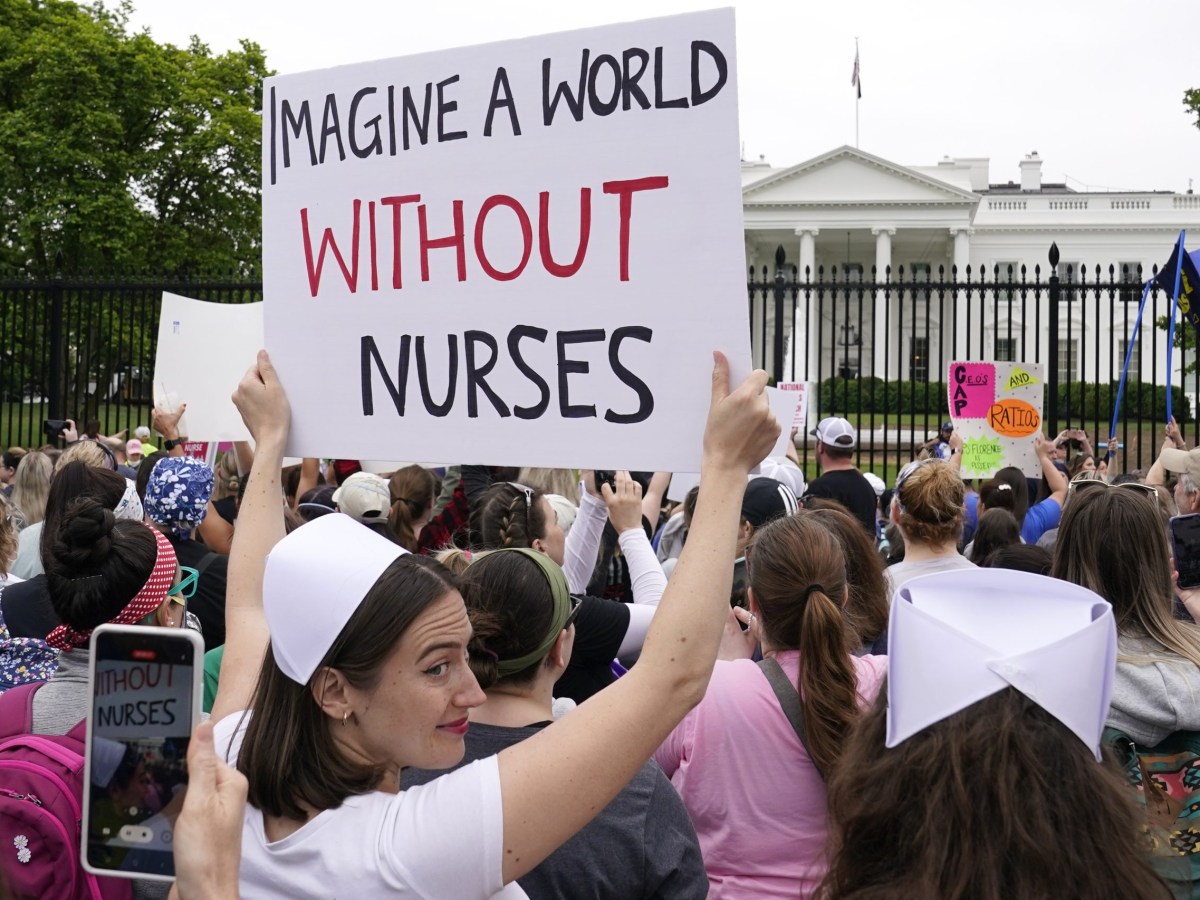
“People have found positions…they had to do what they had to do,” she said. All told, around 2,000 nutrition educators nationwide—frequently hired from within the communities they served—are facing unemployment. Also lost will be their decades-long relationships with over 30,000 partner organizations, including schools, nonprofits, and food banks: the network of community touchpoints that made SNAP-Ed a “pillar” of America’s public health infrastructure, in the words of the Journal of Nutrition Education and Behavior.
Republicans said they eliminated SNAP-Ed because it was ineffective and redundant—claims that proponents, and impact reports, dispute. “Hawaiʻi does not have a nutrition education program with the scale or infrastructure to fill the void SNAP-Ed has left behind,” Butel says.
After the University of Wisconsin announced it laid off 91 employees who ran FoodWIse, a statewide SNAP-Ed program, due to the cuts, U.S. Senator Tammy Baldwin, Governor Tony Evers, along with U.S. Representatives Gwen Moore and Mark Pocan put out a statement lauding the program: “FoodWIse, and the dedicated staff behind it, have proven to be a good investment that helps tens of thousands of Wisconsinites stay well fed and live a healthy life…we hope Wisconsin’s Congressional Republicans who voted for this are prepared to answer to impacted families.”
The end of SNAP-Ed exposes the chasm between the White House’s messaging and governance. Even as Health and Human Services Secretary Robert F. Kennedy Jr. voices concern about what Americans put in their bodies, the administration has dismantled SNAP-Ed, which helped low-income Americans eat better.
Last month’s Make America Healthy Again (MAHA) Strategy Report from the White House iced the cake: proposing little regarding food system regulation and calling for “more research” from agencies whose research the Trump administration has gutted. While it vaguely tasks the USDA with “exploring options” to improve its Expanded Food and Nutrition Education Program, a smaller effort with a more limited purview, the department’s largest, broadest nutrition education initiative, SNAP-Ed, is on its way out.
SNAP-Ed’s demise is ironic, as the administration’s MAHA efforts are mostly about personal responsibility. As Robert F. Kennedy Jr. and his bevy of be-healthy-buy-what-I’m-selling influencers rail against the corporate food ecosystem, Republicans are targeting individuals. “If someone wants to buy junk food on their own dime, that’s up to them,” reads a press release from Representative Josh Brecheen, an Oklahoma Republican, who reintroduced a bill that would ban soft drinks, candy, ice cream, and prepared desserts from eligible SNAP purchases. “What we’re saying is, don’t ask the taxpayer to pay for it and then also expect the taxpayer to pick up the tab for the resulting health consequences.”
Framing eating healthy solely as personal responsibility or individual choice allows legislators to shirk the responsibility of fixing America’s broken food system, which heavily subsidizes unhealthy products while doing little to put more nutritious food on Americans’ tables. In the U.S., the cheapest, most heavily marketed, most widely available options are often the worst, resulting in a reality in which over 50 percent of the calories Americans consume come from ultra-processed foods. Among children, it’s over 60 percent.
Moreover, the nation is famously rife with thousands of “food deserts,” low-income census tracts where residents must travel miles to grocery stores and have limited access to healthy foods. Rising alongside the deserts are “food swamps”: neighborhoods awash with unhealthy options like convenience stores and fast-food restaurants. Low-income, rural, non-white, and Tribal communities are more likely to live in a desert or a swamp, and lower-income individuals are at greater risk of heart disease, cancer, diabetes, and obesity than more affluent Americans.
Even under these conditions, SNAP-Ed helped people make healthier choices. It encouraged individuals to buy frozen or canned fruits and vegetables if fresh ones weren’t available and educated them on practices like rinsing canned products to remove excess sodium.
In Hawaii, where 90 percent of food comes from off-island, driving prices up and self-sufficiency down, Butel said SNAP-Ed funding supported sessions showing families how to use SNAP benefits to buy seedlings and grow their own produce. “Without SNAP-Ed, those opportunities are disappearing,” she says. “The long-term risk is that we’ll see greater disparities in nutrition and chronic disease outcomes—especially among the communities that have historically had the least access to healthy, affordable food.”
This year, Ohio SNAP-Ed also debuted its Mobile Education Nutrition Unit (MENU), a teaching vehicle that would meet people where they shop and gather—particularly in rural communities, further from services and transportation—to provide classes, cooking demos, and food tastings. Now, the MENU, considered a “major asset” per federal guidance, will be sold.
MAHA’s strategy report notes access and affordability challenges between communities and healthy options. It proposes eliminating zoning restrictions that prevent mobile grocery units and fast-tracking permitting for grocery stores in underserved areas. But it isn’t red tape creating food deserts. It’s chains offering cheaper options.
In Minnesota, Patricia Olsen, the head of the University of Minnesota Extension’s Family, Health & Wellbeing department—which implemented SNAP-Ed—said their educators advertised for mobile food pantry distributions like the mobile grocers the MAHA report champions. “We worked hand-in-hand,” Olsen said, adding that she’s hearing from contacts in these units today that federal cuts to the Emergency Food Assistance Program, another USDA program that buys food from farmers and sends it to food banks, may mean less mobile distributions as banks across the state have less stock available. “Mobile options helped in those swamps or deserts,” she said.
SNAP-Ed also helped low-income consumers wade through misinformation, misleading advertising, and confusing labeling. “Big Food is adept at contorting nutrition science to promote its products,” Dhruv Khullar wrote in the New Yorker. Vitamin Water is marketed as a health drink, even though it’s essentially sugar water. Yoplait’s “French-style” yogurt can claim “now with more fruit” because its recipe had little to begin with, and General Mills’ “Blueberry Pomegranate” cereal contains no blueberries or pomegranates.
SNAP-Ed was a vehicle for valuable consumer information: it taught individuals to read nutrition labels, empowering them to cut through deceptive claims, and supported community initiatives that made locally grown, fresh foods more accessible.
Choices are shaped by what’s available, what we know, and what we can afford—all of which are influenced by policy and profit, and little of which MAHA’s strategy proposes to change. Despite Kennedy’s make-America-healthy rhetoric, more of the onus will be placed on individual choice, and less money will be available to help individuals choose wisely.